1/20/2011

Top Technologies of 2010 (Successes + Epic Fails)


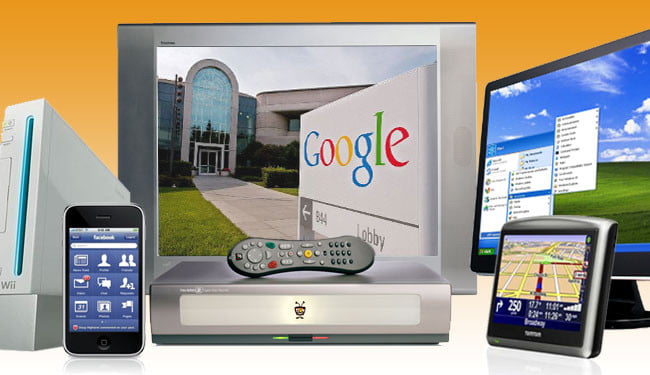
Thought it would be fun to revisit some of the year's hottest trends, as well as some of the most notable technology failures and flops.
  1.  Tablet Computers (iPad).  2010 was the year that Americans as a whole were able to finally stop sniggering about the unfortunate name of Apple's latest toy long enough to buy about 100 million of them.
  2. Cloud Computing.  When you think about the progress of external storage devices over the past 20 years ...  floppy disks ->3.5" disks -> zip disks -> external hard drives -> USB drives ...  you come to realize that storing data on little droplets of water suspended in the sky was practically an inevitability.
  3. 4G.  For a long time I thought 4G indicated the ability of satellites to stream data at a rate of 4Gigs/second, which would be impressive indeed.  Silly me - turns out 4G stands for "fourth generation" - in other words, it's basically just a marketing gimmick, people!  And yet, my standing outside the local Apple store shouting this at customers as they enter the store seemed to have had little impact on overall sales of 4G technology.  Sometimes you just have to let go.
  4. Smartphones (iPhone 4, iTouch, Droid).  If someone has asked me 20 years ago if I needed a phone that could play my favorite Frank Sinatra tunes, tell me how long to cook meat, and help me identify birdcalls, I'm betting I would have said no.  How naive I was then.
  5. Smartphone Apps.  2% are actually useful (Google Maps, Documents to Go), 2% are wicked cool (Google Sky, Google Goggles), and the remaining 94% are stupid/unnecessary. Now that I think about it, though, doesn't this 2:2:96 ratio also apply to television, movies, internet content, and Facebook posts?  Could it be I've stumbled onto a reality-defining insight, like Murphy's Law?  I've always wanted a ratio named after me! 
  6. Net Neutrality.  We Americans consider uncensored, unlimited access to the internet to be sacrosanct, rather like our 2nd amendment right to bear arms.  Can you imagine the ISP or government brave enough (or suicidal enough) to attempt to control internet content or access in the U.S.?   
  7. Social Networking.  Social networking is in no way a new technology, but it continued to dominate headlines in 2010 - to the extent that even a movie about social networking (Social Network, the story of the founder of Facebook) managed to dominate theaters and win awards.  By way of perspective, the movie about Nelson Mandela's life (Ivictus) came in 7th. 
  8.  HDTV.  Driven by huge drops in pricing, 98% of people in the U.S. purchased massive, HD-enabled flat screen televisions in 2010, 50% of which currently reside on cheap, pasteboard television cabinets purchased from Walmart. 
  9. Television/Movie Streaming.  State-of-the-art 55" plasma television = $5000.  Netflix subscription = $17/month.  Ability to watch Hotel for Dogs in the comfort of your own living room, without the risk of running into friends at the theater who might ask you what movie you're there to see = priceless.
  10. Ebook Readers.  If you can make that case that it's important to have your music collection available 24/7, then can surely make the case that it's important to have your book collection available 24/7.  Notice that this is predicated on the assumption that you can make the case that it's worth large sums of $$ to be able to listen to Barry Manilow whenever and wherever you may be. 
  11. Augmented Reality.  This is all about apps that take pictures and then overlay them with virtual info, like Google Goggles.  This is, I have to admit, kind of cool.
  12. 3D (television, movies).  I'm expecting a correlating spike in headache-reduction technologies for 2011.  (Or perhaps I'm just bitter because, with only one working eye, the whole 3D thing is never going to happen for me - sigh.)
  13. Hybrid/Electric Cars (Prius, Volt).  Would like to think growing guilt over Global Warming precipitated the rush of people purchasing fuel-efficient vehicles and electric cars.  However, I'm guessing it was the laws allowing folks with Priuses and Volts to use the HOV lanes without paying.
  14. Turbines.  The UK unveiled a huge turbine farm in the middle of an ocean somewhere.  Presumably it doubles as an underwater whale obstacle course.
  15. Data Mining.  As opposed to actual mining, data mining in 2010 became scary efficient.  Admit it's a little offputting that everytime I log into Facebook these days, all the ads are for stair lifts, AARP membership, and donut hole medicaid insurance plans.
  16. Ubiquitous Wi-Fi Access. The day I knew wi-fi had become ubiquitous was the day I saw, proudly posted in the window of my local McDonalds, a notice proclaiming: "Wi-Fi Available Here!"  Thank goodness I have instant access to the internet so I can look up the fat content of what I'm about to eat. 
  17. High-Resolution Airport Scanners.  I understand why people are offended, but ask any woman who's given birth in a large hospital if, really, they have any dignity left to preserve.
Postscript: Seems fitting, as long as we're mentioning technology successes, to list some of 2010's headline technology failures:
  1. Deep water oil rigs.  Don't know about you, but I know I won't be eating shrimp for the next couple of decades.
  2. Chemicals capable of diffusing/dissolving underwater oil spills.  Though ultimately ineffective, for a while there it was a good thing to own Palmolive stock
  3. Terrorist explosives technology.  Notable failures in 2010 included the Times Square car bomb in May and Fedex mail bombs in October.
  4. Aircraft engines. Turns out all it takes to bring them down is a little volcanic ash. (Let's hope the terrorists keep using bombs and don't switch to ash.)
  5. Dow Jones trading software.  At one point in May the Dow dropped over 600 points in five minutes, apparently because of a typo.
  6. Whatever software we use to generate joblessness estimates.  Because, whatever software it is that we use now, it unfailingly predicted lower rates of unemployment than later metrics were able to actually verify.
  7. Mine safety technology.  Seems like every time you turned on the television in 2010, the lead story had to do with trapped miners.  On the plus side, our "rescuing trapped miners" technology must be getting better.

1/16/2011

Top Foods of 2010 (and what they say about us as a nation!)


iVillage recently posted their list of the
25 Most Downloaded Recipes of 2010.  I found the list intriguing for the insights it seems to provide about who, what, and where we were as a nation in 2010.  Read on and see if you agree ...
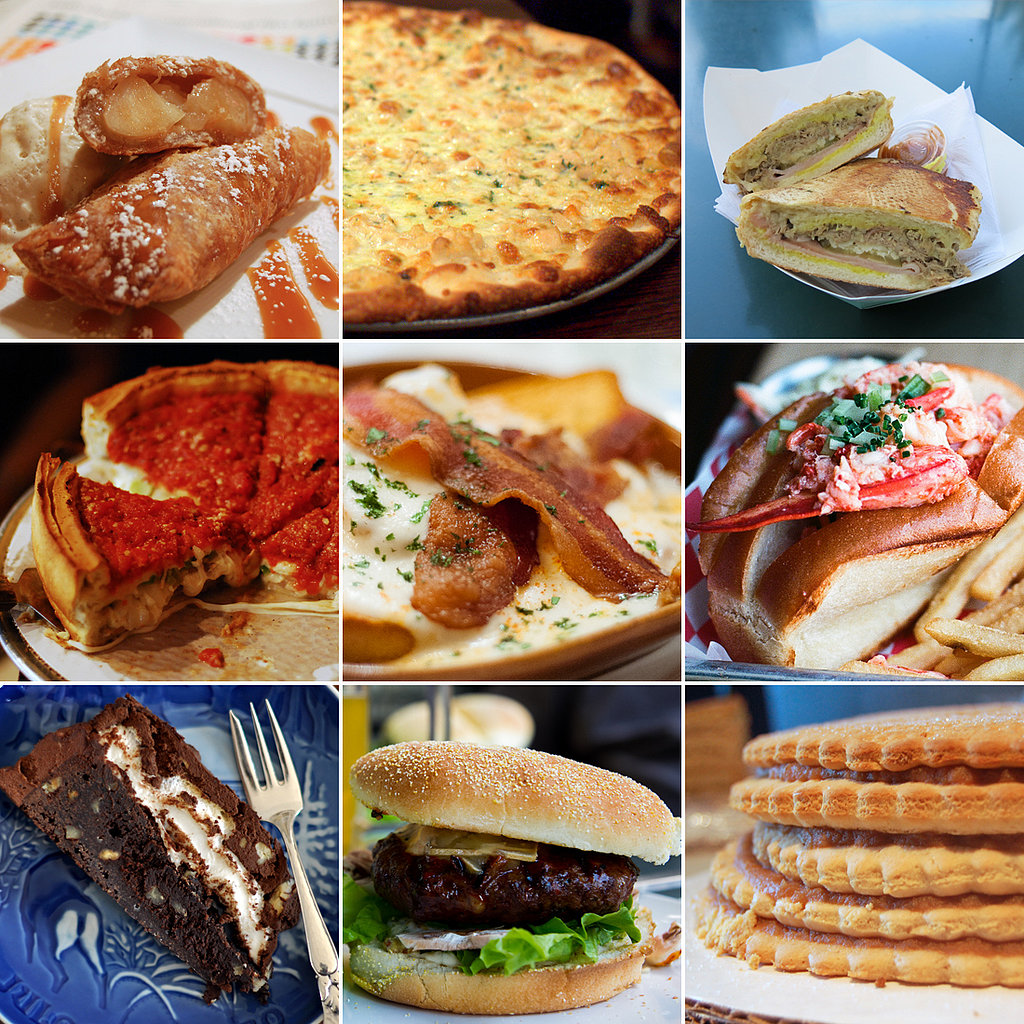
  1. Bacon & Cheddar Macaroni and Cheese.  Fittingly, in a year dignified by financial crisis (unemployment tops 10%), political insecurity (divisive mid-term elections), war (Afghanistan), and natural disasters (earthquake in Haiti, volcanic eruption in Iceland), the #1 most downloaded recipe was that penultimate comfort food, macaroni and cheese ... made even more comforting by the addition of bacon.  Is there anything that bacon can't make even better?
  2. Wicked Good Chocolate Peanut Butter Pudding Cupcakes.  This recipe is basically the confectionary equivalent of macaroni and cheese, featuring no less than four of our favorite indulgences - chocolate, peanut butter, pudding and cake.  Also, the juxtapositioning of "wicked" and "good" adds a nice touch, for if any year could claim the title oxymoronic, it was surely 2010.
  3. Slow Roasted Apples with Maple Whipped Cream.  Proving that we Americans aren't averse to eating healthy foods, as long as you pile a lot of whipped cream on them!  Other examples of "pseudo healthy foods" that enjoyed popularity in 2010: energy drinks, fortified water, sea salt, dark chocolate, pop tarts.  
  4. Chicken Parmesan.  It's fast, simple, cheap, and sounds a lot more elegant/elaborate than it is: basically, our nation's vibe in a nutshell. 
  5. Caramel Macchiato Cider with Cinnamon Cream.  I blame Starbucks for our continuing love affair with ridiculously complex and snobbish desserts masquerading as beverages.
  6. Strawberry Puffs.  A little bit of country in the middle of a whole lot of urban.
  7. Meatball Sandwiches.  A little bit of working man in the middle of a whole lot of foodie.
  8. Pumpkin Risotto.  I blame cable cooking networks for this silliness.  Risotto isn't about nutrition, it's about being able to pompously announce to your peers and coworkers: "As a matter of fact, we're having pumpkin risotto tonight."
  9. Horseradish and Dill Cream Cheese Mashed Potatoes.  Sounds fancy, but when you get down to it, this is just mashed potatoes with a little bit of extra taste thrown in, demonstrating that while 2010 may have been the Year of the Hispanic (immigration wars in Arizona, drug wars in Mexico, appointment of the first Hispanic woman to the Supreme Court), our country's German/Irish cultural roots still go deep.
  10. Swirled Cheesecake Brownies.  2010's go-to recipe for bake sales, office parties, baby/wedding showers and wakes, because some things - like marriage, babies, death schools in need of money, and offices in need of lame team-building functions - are eternal.
  11. Pumpkin Fritters.  Speaking of oxymorons, love how this recipe juxtapositions pumpkin - as wholesome a food as there is - with "fritters," a method of preparation that involves battering and deep-frying.  Is there anything we Americans can't find a way to deep-fry?
  12. Oven-Baked Veggie Chips.  A dish that even our nation's unofficial Healthy Food Czar, Michelle Obama, would approve of ... and even more so if the veggies come from a garden you've cultivated in your backyard or in cooperation with a nearby elementary school.
  13. Mulled Cranberry Cider.  Cranberries were one of the beneficiaries of the year's obsession with weird fruits and their potential nutritional/dietary benefits.  Other beneficiaries included pomegranates, blueberries, blood oranges, pumpkin, and tomato juice.
  14. Black Bean Nachos.  Did I mention that 2010 was the year of the Hispanic?  We may not like them sneaking across our borders, but we sure love their food.
  15. White Bean and Lamb Cassoulet.  In a year that featured the release of the movie Julie & Julia and a huge spike in sales of Julia Childs' The Art of French Cooking, appropriate that there should be at least one "cassoulet" on the list.
  16. Iced Tea with Cider, Mint and Honey.  In case you weren't noticing, there was a definite southern bias in our choice of celebrity chefs this past year, with Paula Dean leading the charge.  Even McDonalds took note of the trend, launching sweet tea as a permanent menu item nationwide.
  17. Mozzarella-Stuffed Turkey Burgers.  As people continue to process the fact that red meat is basically bad for you in every possible way, turkey experienced a sort of resurgence in 2010.  Some fast-food restaurants even test-marketed turkey burgers as a menu item.
  18. Spicy Oven-Fried Chicken.  America's response in 2010 to discovering that basically everything we enjoy eating is bad for us? Don't change what you eat, just change how you prepare it!  This was certainly the message proselytized by the television show The Biggest Loser and diet programs such as Jenny Craig and Weight Watchers.  True - we're now a nation of hypocrites, pretending that oven-fried chicken tastes as good as pan friend chicken, even though we all know it isn't so.  But at least we're skinnier hypocrites. 
  19. Sausage and Spaghetti Squash Soup.  Sounds suspiciously like one of those recipes that David Oliver and his fellow celebrity chefs spent the past year trying to foist on school food services, laboring under the mistaken impression that if the name of the recipe includes "sausage" and "spaghetti", school kids won't notice that they're actually eating squash.
  20. Grilled Sourdough Pizza with Tomato Pesto.  Fancy pizza isn't a new idea - the California Pizza Kitchen chain has sprawled as far as Virginia these days.  However, new in 2010 was a general upwelling of protest against really gross, tasteless pizza - enough of an upwelling that even Dominos Pizza had finally to relent and start using actual dough (instead of cardboard) in their version.  No longer are Americans satisfied with a huge amount of food for $5 ... now we expect it to be palatable as well!
  21. Ina Garten's Herb-Roasted Turkey Breast.  Appropriate that at least one entre from the kitchen of the "Barefoot Countessa" should make the list.  (Weren't we just talking about oxymorons?)  She's the celebrity chef that gives all the foodies hope that they, too, may one day achieve fame and fortune - no formal training, no off-putting pretension (she cooks in an authentic faux barn!), and (best of all) no intimidatingly skinny waistline.
  22. Maple-Mustard Pork Loin with Roasted Potatoes.  Touted as the perfect headliner for a gluten-free feast and demonstrating that, in 2010, people were still blaming gluten for everything from hyperactivity to autism.
  23. Butternut Squash Tostadas.  A vegetarian entre, and therefore an appropriate entre for a year in which the news obsessed about locavorism, organic foods, canning, pickling, Pioneer cooking, and subsistence gardening.
  24. Sticky Pecan Bites.  Just the thing to sustain you for another long day of standing in line at the local employment office.
  25. Baked Breaded Eggplant with Marinara.  Eggplant?  Seriously?  I think the folks at iVillage threw this one in just to see if we were paying attention.  No matter how bad 2010 was, I just don't see Americans ever embracing eggplant. 
Postscript: Almost as fun as analyzing what's on the list is analyzing what didn't make the list; notably ...
  1. Egg dishes. (Remember that big salmonella recall in August?)
  2. Seafood. (No need to add oil when frying your fish - BP has done it for you!)
  3. McRib sandwiches.  (Nothing good can come from knowing what's in them.)

12/15/2010

30+ Categories of Sweet Desserts


According to scientists, our tongues can distinguish five types of tastes: pungent (acrid), sweet, sour, bitter, and salty.  In honor of the holidays, which is all about sweet foods, following is a list of some of my favorite go-to treats - a useful list in case you're trying to figure out what to prepare for dessert!
  1. Brownies.  Nothing wrong with a basic chocolate brownie, though these days the fashion seems to be "fancying" them up by adding caramel, nuts, or flavored chips (mint, raspberry)
  2. Butterscotch.   Like caramel, butterscotch can be fashioned into a delicious buttery candy or used as an ingredient in candy bars, cakes, or pies.
  3. Cakes: So many delicious choices, I've devoted a whole blog entry to them!
  4. Candies-chocolate.   Turns out pretty much anything tastes delicious if you coat it in chocolate! This category includes everything from m&ms to bon bons and truffles.
  5. Candies-hard. Includes lollipops, lemon drops, peppermints, rock candy, ribbon candy, and candy canes
  6. Caramel.  Available as a candy, but more commonly encountered as an ingredient in other sweets.  Without caramel there would be no toffees, no flans, no caramel chocolate bars, no caramel sauce for ice cream or caramel glaze for cakes; no caramel apples; and (say it isn't so) no caramel corn! 
  7. Cheesecake. Top your basic cheesecake with fruit; or, add ingredients to the batter (chocolate, pumpkin, berries, lemon/lime, mocha, peanut butter) to create different varieties
  8. Chewing Gum.   Includes regular chewing gums and bubble gum
  9. Chocolate: dark chocolate, milk chocolate, white chocolate ... need I say more?
  10. Cookies: Includes American cookies, English biscuits, wafers, animal crackers, biscotti, macaroons, gingerbread, and shortbreads.
  11. Cotton candy.  Airy, flossy, sugary goodness!
  12. Drinks - novelty.  Since the beginning of time people have been creating sweet novelty drinks, often by combining sugar, alcohol, and other ingredients into concoctions such as mulled wine, eggnog, or mead; today, we tend to call them "cocktails." Other sugary novelty drinks include flavored milk, lemonade, and artificial "fruit" drinks like cool-aid.
  13. Drinks - soda.  Sodas deserve their own category, if only because they are such a dominant source of sugar in our everyday diets!  Today we have Coke and Pepsi but even during the civil war people enjoyed sarsaparilla.
  14. Frostings/glazes.  Though one tends to think of your basic royal icing or fondant when talking about frosting, delicious sweet toppings can also be crafted out of cream cheese, marshmallow, caramel, and a variety of fruits.
  15. Frozen treats:  Includes popsicles, snow cones, gelato, and sherbet
  16. Frozen Milk treats: Includes ice cream in all its forms: bars, cones, pints, cakes, and milkshakes
  17. Fruits:  Nature's original dessert!  This category includes raw fruits, poached fruits, dried/candied fruits, fruit smoothies, jellies, jams, and fruit juices.
  18. Fudge. Like brownies, fudge is delicious plain but is also available in dozens of flavors.
  19. Gelatin.  Includes gelatins like jello; also licorice and gelatin-based "gummy" candies (gummy bears, jellybeans)
  20. Honey: Honey-based treats include challah, baklava, and candy corn; also, by the way, it can also be fermented to create a yummy alcohol generally called mead!
  21. Liquors.  Given that alcohol is nothing more than fermented plant sugar, the wide array of sweet liquors available shouldn't be surprising.  Some of these include: Amareto, Kahlua, creme de cacao, Frangelico, and Grand Marnier
  22. Marshmallow.  An essential ingredient in rice crispy squares, s'mores, and peeps.
  23. Marzipan.  Marzipan, a dough made from almond flour (or sometimes other sweetmeat flour), can be shaped into cookies or works as a filling for chocolate candies.
  24. Meringue. Meringue, a confection created by whipping egg whites until they turn into a froth, are great alone or topped with fruit.
  25. Milk Products (lactose): Turns out adding sugar to milk products = fabulous!  Sweet butters and creams are the foundation of any number of delicious treats.
  26. Molasses: Used in some spice cookies; also adds the "sweet" to many barbeque sauces and baked bean recipes. 
  27. Nectar. One word: honeysuckle!  It may not be a major ingredient in anything, but if summer had a taste, it would be honeysuckle.
  28. Pastries.  Includes doughnuts, beignets, napoleons, strudels, baklavas, croissants, fritters, eclairs, danishes, and turnovers
  29. Pies/Cobblers/tarts: Includes pies, cobblers, and tarts.
  30. Puddings/mousses/custards:  Includes American puddings (vanilla, chocolate, tapioca); thicker British puddings (plum pudding, etc.); mousses (basically, frothy puddings); and custards like crème Brule, blancmange, and flange
  31. Relishes/chutneys/salsas.  Though we typically think of relishes as salty, delicious fruit relishes and chutneys are excellent spread on bread or served with meats.
  32. Sauces/syrups. Sauces (ex: chocolate sauce, raspberry sauce) and syrups (corn, maple, blueberry) typically aren't served alone but add plenty of sweet when poured over breads, puddings, or ice cream.
  33. Sweet Breads: In this category I'm including breads as well as breads with yummy things rolled into them: sweet rolls, cinnamon rolls, panettone, funnel cake, muffins, rugelach, and jellyrolls/yule logs all fit into this category
  34. Sweetmeats: "Sweetmeats" is an old term for nuts: walnuts, pecans, peanuts, pistachios, poppy seeds, etc.  Eat them raw as snacks or use them as ingredients with other sweetables like cakes, pies, brittles, or candies
  35. Taffies/nougats.  A category of extremely chewy treats - delicious but hard on the teeth!
  36. Truffles.  A delicious combination of cake, pudding, and fruit - often with a sauce or topping thrown in!
  37. Wines.  Several varieties of wine are known for their sweetness, including Rieslings, gewurtstrameners, and sauternes.

12/07/2010

50+ Great Cakes


As if this month wasn't busy enough, my family celebrates about 6 birthdays in December.  Which must explain why I'm thinking, not about how on earth I'm going to catch up on my Christmas shopping, but about cake. 
The following isn't meant as a comprehensive list of all cakes, but it is a comprehensive list of all the best cakes I've ever run across in my life.  (By the way, I'm not separating out cupcakes or bundt cakes, as these are shapes, not categories, as far as I'm concerned.)
  1. Battenberg Cakes.  Take one or more butter cakes in different flavors, cut them into blocks, re-assemble them (with the aid of jam) into architectural constructs, and then spread frosting over the result. Battenbergs contain the kind of dazzle meant to impress at formal teas and showers.  Variations include chess cake
  2. Butter Cakes.  You swirl the caramel into the batter, and then finish it off with a caramel/nut frosting.  Genius.  Variations include chocolate, devil's food cake, lemon, marble, red velvet cake, strawberry cake, vanilla cake
  3. Butterscotch/Caramel Cakes.  You swirl the caramel into the batter, and then finish it off with a caramel/nut frosting.  Genius.  
  4. Coffee Cakes.  A version of the basic pound cake with various extra ingredients stirred into the batter -  berries, apple, nuts, streusel, etc. - and served without frosting.  I'm especially fond of the ones with cinnamon crumb toppings. 
  5. Fruit/Nut/Spice Cakes.  Unlike layer cakes, these cakes have the fruit and nuts baked right into them.  The boozy Christmas version gets a lot of bad press, but can be delicious when properly make. I have an affection for what some call a Hummingbird cake, which folds pineapple, bananas and walnuts directly into the batter. Variations include genoa cake, German chocolate cake, Hummingbird cake, Italian cream cake, jam cakes  
  6. Ice cream cakes.  Like mousse cake, it's two desserts in one.  My mom was making them long before you could pick one up at the Baskin Robbins on your way home.  Variations include baked Alaska.
  7. Layer Cakes.  Butter cake + layers of fruit (possibly imbedded in cream or custard) = delicious!  Variations include Black Forest cake, Boston Cream Pie, coconut cake, lemon cake, raspberry cake.
  8. Liquor Cakes.  I love how quickly you can vary the taste of cakes just by adding a flavorful liquor. My sister added amaretto to my wedding cake and now that's what people remember about my wedding.  Variations include amaretto cake, creme de menthe cake, eggnog cake, Grand Marnier cake, khalua cake, Lane cake, irish cream cake, pina colada cake, whisky cake. 
  9. Mocha Cakes.  Variations include Black Russian cake, cappucino cake, tiramisu cake.
  10. Pound Cakes.  Pound cakes are "denser" than butter cakes, which makes it possible to add novelty ingredients without creating a spongy mess.  Variations include applesauce cake, cream cheese cake, King cake, pudding cake, yogurt cake.
  11. Punch/Poke Cakes.  Bake a basic butter cake, punch holes in it, and then fill the holes with a variety of good things. The result tends to be colorful and incredibly moist.  Variations include pineapple punch cake, peach punch cake, jello punch cake, lemon punch cake.
  12. Spice Cakes.  Because sometimes something as simple as tweaking the spices is enough to create a delicious cake. Variations include gingerbread, spice cake
  13. Sponge Cakes.  Classic sponge cake paired with fresh fruit and cream - liquid or whipped.  It really does taste like a little slice of heaven.  Variations include angel food cake, chiffon cake, shortcakes 
  14. Upsidedown Cakes.  With this you get not only cake and fruit, but also a delicious carmelized layer of brown sugar that adds the perfect amount of sweetness and gooiness.  Variations include banana upsidedown cake, pear upsidedown cake, pineapple upsidedown cake.
  15. Vegetable Cakes.  Suppose I could list this as a variation of your basic spice cake, but the carrots add a heartiness and moistness that plain spice cake lacks.  Variations include carrot cake, pumpkin cake, sweet potato cake, zucchini cake.
I've also encountered some cakes that I'm not so sure of.  Tomato soup cake?  Cantaloupe cake? Rhubarb cake?  Ricotta cake?  The prospect is almost enough to make me swear off of pot luck buffets.

Don't see your favorite here?  Let me know!  Hate to think that I might be missing out on something good.

12/01/2010

30+ Uniquely American Foods


It seems a very great hypocracy that the same countries that denegrate us for our food are often the ones that have lines stretching out the doors of the local McDonalds.  I think it's time to look at U.S. food realistically.  Sure, it's often appallingly unhealthy, but is it more unhealthy than Germany's staple, the ubiquitous wurst, or England's staple, fried fish?  I think it's time for Americans to stop being ashamed of our cuisine and to proudly celebrate its meaty, greasy, creamy greatness.

Following is my list of foods that, to me, represent signature U.S. food.  Some of these dishes, I realize, are not technically indiginous, but though they may have sprung in other soil, it is in the U.S. that they have taken firm root and flourished.

Let me know if I've missed any of your favorites!   

  1. Barbeque.  Okay, so the art of preserving meat by adding vinegar or salt and/or smoking is ancient ... but it was here in the US that we figured out how to use slow cooking and molasses to turn what was basically dried meat jerky into a succulent, juicy, "fall off the bones" treat.
  2. Hamburger.  Face it: the hamburger is America's "everyman" food - enjoyed by every class. 
  3. Fried Chicken.  Just like us Americans to take a healthy food and figure out how to make it more fattening.
  4. Chicken Wings.  Another American gift: figuring out a way to rebrand something no one wants to make it desirable. 
  5. Meatloaf.  For folks who really want a hamburger but can't afford the bun.
  6. Turkey.  One of the best reasons to be an American: Thanksgiving.
  7. Corn.  Indigenous to North and South America, the U.S. has made corn "ours" by virtue of grits, succotash, cornbread, johnnycakes, popcorn, and corn on the cob dripping with butter. 
  8. Peanuts/Peanut Butter.  It isn't a ballgame without peanuts, and it isn't a bag lunch with a peanut butter & jelly sandwich.  Second greatest food pairing of all times (after PB&J): PB and chocolate. 
  9. Pecans.  Pecans are another sweetmeat indiginous to the U.S.  God bless whoever figured out how to transform them into praline candy and pecan pie.
  10. Ice Cream.  Give me a good old fashioned scoop of vanilla over gelato any day.  Other American contributions to the world (you can thank us later): ice cream cones, milk shakes, and root beer floats.
  11. American Pizza.  We all know pizza is Italian, but much like how reindeer evolved to elk when they hit North America, what we call pizza here is far removed from its ancestral origin.  (Food Darwinism - cool!)  So bring on the deep dish crust, smothered in tomato sauce, topped with pounds of cheese, and smelling faintly of steamed cardboard!
  12. Soul Food.  The origin of soul food is slavery, which is makes this cuisine uniquely, though disturbingly, American.  Slaves and other indigent people in the South found ways to turn neglected crops - like black eyed peas, kale, and collard greens - with the neglected bits of butchered animals - chitlins, ham hocks, etc. - to create food that tastes a lot better than it sounds.
  13. Breads.  Of course we didn't invent bread.  But we did invent pancakes for breakfast, hushpuppies, and bisquits drenched in sausage gravy.
  14. Jello.  Other countries have geletin, but we're the ones that figured out how to turn it all colors of the rainbow, suspend foreign objects in it, and mold it into mysterious shapes. 
  15. Potatoes.  Given the number of Americans who can trace their ancestry back to Germany or Ireland, no wonder the U.S. has a love affair with potatoes. Our lasting contributions to the potato genre: french fries, potato chips, and potato skins.
  16. Pies & Cobblers.  We didn't invent pie, but I would argue we've have done more than any other country to expand the pie and cobbler art form to embrace not only timeless classics like apple pie, but also indiginous favorites to include huckleberry, blueberry, and pecan pie.
  17. Macaroni & Cheese.  The ultimate comfort food, although most Europeans are still trying to figure out why American cheese is orange.
  18. Bagels.  Many thanks to our Jewish neighbors in New York for this American classic!
  19. Casseroles (aka "hot dishes" aka "covered dishes").  I'm not talking about Julia Child's casoulets - I'm talking about good ol' American casseroles, the ones that use condensed soup as a base and are inevitably covered with cheese.   Undoubtedly there's a reason no other country is clammoring to claim this unique but dubious American classic.
  20. Cookies.  Especially chocolate chip cookies.  Ours our nothing like what they call "bicuits" in other countries, thank goodness.
  21. Creole Food.  Another food arising from America's polyglut past, creole food blends traditions from the Caribbean, French cuisine and Southern cooking to give birth to uniquely American dishes such as jambalaya, gumbo, and etouffe. 
  22. Condiments.  The world has us to thank (or not) for mayonaisse, catsup, and maple syrup. 
  23. Soda/Pop.  Thank you, Coca Cola, for Santa Claus!  And thanks also for that 70s anthem "I'd Like to Teach the World to Sing," Super Big Gulps, and our current epidemic of overweight teens.  Root beer is particularly American: I have a European friend who adores root beer and says you can't get it anywhere else.
  24. Iced Tea.  I have it on good authority that many Europeans find absolutely appalling our habit of adding ice to perfect good tea.  I'm betting they live in places where temperatures  don't reach 100 degrees during the summer.
  25. Sandwiches.  Lots of countries lay claim to having invented the sandwich, but Americans have brought more inventiveness to the task than most.  Case in point: hoagies/dagwoods/subs, philly cheesesteak, reubens, and muffulettas.
  26. Hot Dogs.  I'm sure American hot dogs can trace their ancestory to English sausage or German wurst, but our version - plopped in a bun and topped with condiments - is uniquely American.
  27. Chili.  Okay, so we stole the spices and tomato base from Mexico, but it was our idea to add weird stuff like buffalo, pasta, and cinnamon. 
  28. Salads.  America's penchant for eating raw vegetables is looked at with askance by many folks from around the world, as well as most toddlers.  However, we have found ways to make raw veggies more palatable by burying them beneath dressing (see Condiments-Mayonaisse), meat & cheese (cobb salad), fruit (waldorf salad) and fish paste (caesar salad) 
  29. Cheese-Based Snack Foods.  I wince at having to claim this as a uniquely American food, but there's a reason so much of the rest of the world holds us in disdain, and I suspect this may have something to do with it.

11/20/2010

Careers for People Who Love Food

Recently a student of mine was struggling to identify things that he might want to do when he "grows up".  Finally, in a rather embarrassed way, he suggested that he might be interested in something having to do with food.  I think he was a little stunned when I proceeded to rattle off a whole list of jobs that would allow him to work with food.  This list is in his honor, but I admit to having thoroughly enjoyed compiling it - imagine being paid to eat!
  1. Chef.  Requires training, but not necessarily at a cooking school - some restaurants will allow you to start off as a lowely commis and work your way up.  Some variations include sous chef, saucier, pastry chef, and garde manger.
  2. Personal Chef.  If the idea of working in a frantic, crowded, steaming kitchen doesn't appeal to you, offer your services as a personal chef to people who have more money than they do time.
  3. Caterer.  Join an existing catering company or start your own. You can specialize in food preparating, "plating" (making it look pretty) and/or serving.
  4. Baker.  Find employment at a going concern or branch out on your own, selling baked goods to local stores or at farmers' markets.
  5. Confectioner.  Making candy for a living - now that's a career I could get behind!
  6. Cake decorating.  You don't actually have to be as gifted as those folks on the cable television decorating shows (though if you are, you'll never want for work!).  Plenty of grocery stores and stand-alone bakeries looking for people capable of creating good-looking cakes at a brisk clip.
  7. Farming/Gardening.  Grow your own!
  8. Wine-making.  You can make your own wines, or sell your grapes to wineries who will do the work for you.  Lots of opportunities to sponsor/attend events that focus on how to pair wines with good food.
  9. Brewing.  Make your own beer!
  10. Sommalier.  Or, if you enjoy wines but have no interest in growing them yourself, become a sommalier - that guy at the fancier restaurants who recommends the wines and decants them for you. Note: You must look good in a tux or gown.
  11. Cooking Instructor.  Market your food prep skills by offering cooking classes.  You'll be especially desirable as a teacher if you have some specific expertise to offer: ex, French cooking, gluten-free cooking, cake decorating, cooking for children.
  12. Cookbook Author.  Or, if you don't want to teach, try assembling your best recipes into a cookbook.  If you're lucky, a major publisher will pick up your cookbook and market it for you.  If you'd rather avoid that hassle, however, you can always sell your cookbook at craft shows/farmers' markets or even online.
  13. Dietician.  Help people conquer their struggles with food by becoming a dietician.  The job isn't just about helping people lose weight: you'll also have an opportunity to help athletes, diabetics, chemotherapy patients, people with food sensitivities, and others. 
  14. Test Kitchen Employee.  Yes, this is a real job!  Cookbook and cooking magazine publishers always test the recipes they plan to publish.  Not sure exactly how you land one of these jobs, but I know they're out there!
  15. Food Critic.  You don't have to work for The New York Times or Fodors - even local newspapers regularly run restaurant reviews.  Or, if you aren't so worried about getting paid, create a blog and post your restaurant reviews there.
  16. Restaurant/Food Service Worker.  One of the most obvious ways to work with food is to join the staff of a company that specializes in food/hospitality.  Just choose your venue: fast food joint, classy food joint, food cart, bar, hotel ...
  17. Restaurant/Food Service Owner/Manager.  If preparing/serving food doesn't appeal to you, consider a position that will allow you to focus on brainstorming menu choices, shopping for unique/quality ingredients, and creating dining experiences.
  18. Event Planner.  People who plan weddings, conferences, etc. are expected, as part of the job, to provide appropriate dining alternatives.  The cool part is that many caterers/restaurants/hotels, eager to win your business, will offer "comped" meals and tastings.
  19. Food Bank/Community Kitchen.  If the idea of blending cooking and community service appeals to you, considering working at a community food bank or kitchen.
  20. Food Journalist.  You don't have to criticize food to have an excuse to write about it - just pick up an edition of Bon Appetit or Weight Watchers magazine and count how many articles there are in each.  Someone's got to write them - why not you?
  21. Culinary Travel Specialist.  Why not combine your love of food with your love of travel, by getting into the so-called "food tourism" business?  I'm guessing this usually involves organizing trips to exotic foreign destinations, though there may be a business to be made out of arranging local food tours, if you're lucky enough to live in an urban area where international offerings are abundant.
  22. Food Scientist/Chemist.  If the science of cooking appeals to you, consider becoming a food scientist or chemist.  Plenty of companies out there eager to invent the next big thing: frozen foods that don't taste frozen, fruits that don't spoil, or the Holy Grail of food science, a side-effects-free sugar substitute
  23. Food Photographer.  If you're into photography, consider specializing in food.  There's a great deal of art that goes into making food look delicious, fresh and appetizing, and people are willing to pay for the services of a photographer who does this well.
  24. Grocery Store Employee/Manager.  All the fun of working with food without having to worry about preparing/serving it. 
  25. Personal Grocery Shopper.  It's not glamorous, but if you like the idea of shopping for food using someone else's money, more and more grocery stores are offering this as a service to customers who don't have the time or ability to do their own shopping.
  26. Theatre.  I stuck this one on the list because you always hear about theaters/studios setting up big food tables so the performers and technicians can grab sustainance in between takes.    
  27. Politician/Lobbyist.  Frequent wining/dining is a prerequisite for both jobs - the major difference between them is who pays.
  28. Celebrity.  Become a celebrity and you'll never have to pay for food again!  Everyone will be eager to shower you with free meals and delicacies.  The downside, of course, is that if you want to continue to be a celebrity, you'll probably need to watch your weight.  Cruel, isn't it?

11/19/2010

50 Careers for People Who Like to Work Alone

Do you have a personality that irritates others?  Or do others have personalities that irritate you?  Does the buzzword "teamwork" make you bristle ... or, worse yet, break into a cold sweat? 

Seriously - my eldest son is blessed with a high IQ, intellectual curiosity, and a great work ethic.  However, he is also an extreme introvert, has a speech impediment, and isn't exactly patient when it comes to tolerating fools.  The kind of guy, in other words, who needs to work somewhere far from the maddening crowd.  All of which has started me wondering what sorts of careers are available out there for folks who would prefer to earn an income without having to deal with a lot of human interaction.
  1. Animal-based careers.  Assuming you're okay with animals, just not people, some possible careers include working as a breeder, vet, kennel worker, dog walker, pet sitter, zookeeper, etc.
  2. Archivist/librarian.  A great career for people who enjoy books, cataloging, and/or find hissing "shhh!" at total strangers to be a power trip.
  3. Artist.  Creating art is an inherently independent effort; painters, photographers, handicrafters, potters, sculptors, and their ilk possess the ability to observe the world without necessarily interacting with it.  The challenge, of course, is finding a way to sell one's artwork without having to deal with galleries, magazines, or craft fair organizers. Thank goodness for the web.
  4. Athlete in solitary sport.  Lots of sports emphasize individual effort over teamwork, to include marathoning, swimming, diving, bicycle racing, kayaking, surfing, scuba diving, skiing, rock climbing, surfing, sailboat racing, etc.
  5. Caretaker.  Steven King's novel The Shining may have given caretaking a bad name, but it's not all spooky mansions, snow-bound mountains, creepy twins and demonic hedge animals.  Locations as varied as estates, cemeteries, earth stations and weather stations require caretakers to attend to basic facilities needs.
  6. Close Captioning Typist.  I don't actually have any information about this job, but have always imagined it involves sitting in a cubicle, wearing headphones, watching TV and furiously typing.  Or maybe these days there's software that does the work?
  7. Clothing/shoe creation/repair. Once you've taken the measurements, each job requires blissful hours of solo cutting and sewing.
  8. Computer programming/networking.  If I weren't doing this alphabetically, this entry would probably deserve to be first.  The work is lucrative, easy to find, and wonderfully isolating: a really juicy networking problem or coding assignment can potentially cut you off from all social contact for weeks at a time.
  9. Courier/Deliveries. Lots of stuff besides pizza needs picking up and delivering: think mail, packages, trash, newspapers, dry cleaning, medical samples, confidential legal material, expensive jewelry, cars, etc.
  10. Crime.  Hey, I'm not recommending it as a career choice - simply noting that it is, in fact, a career that lends itself to solitary effort.
  11. Custodian/maid.  Custodians at hotels and office buildings seem rarely to interact with anyone.  Perhaps because they are simply too busy.
  12. Data Analysis.  Tons of jobs out there for people who like to analyze data.  I know this because, in just the past 24hrs, various forms of media have informed me that (1) kids diagnosed with ADD are at higher risk for heart disease later in life, (2) the economy is actually recovering, if you take into account about 20 extenuating circumstances, and (3) it is a statistical improbability that Donovan McNabb will remain healthy enough to work off the huge new contract he just signed for the Washington Redskins. 
  13. Data Entry/Retrieval.  Until every tidbit of information in the world has been transferred to computer (which can't be too far off now), there will continue to be a need for files clerks to categorize, catalog, sort, store, and retrieve paper-based information.   I recommend any organization or agency affiliated with local government.
  14. Equipment Operator. Lots of jobs out there operating big machines with little cabs/offices: toll bridges, cranes, oil rigs, rollercoasters, snowplows, etc.
  15. Explorer.  Make a career out of going places where no man has gone before: the arctic, above a rainforest, under the ocean, outer space ....
  16. Factory Work.  The upside is that, as long as you're doing your job, no one's going to interrupt you.  The downside is the tedium of potentially doing the same tasks day after day after day.  Your call.
  17. Farming/Ranching.  This category incorporates a huge range of jobs, from plowing fields to picking fruit, from raising chickens to milking cows.  Lots of opportunities for solitary work, as long as you don't mind mosquitoes.
  18. Firespotting.  Isn't this the first job everyone things of when you talk about "lonely jobs"?  I don't know how many of these jobs are actually available, but I can think of worse careers than sitting in the middle of a lush forest, reading books and occasionally scanning the horizon for smoke plumes.
  19. Garage/Tollbooth Attendant.  Not a bad gig if they let you listen to your iPod while you're working.  Plus you can work on assembling a first-class coin collection.
  20. Gardening/Landscaping/Nursery Work/Forestry.  The plants aren't going to mind if you don't talk to them.
  21. Graphic Design.  Decided not to lump this in with "artist" since it's more of a career than a vocation.  And a pretty lucrative career at that, if you've got talent and can sign up with an agency that will handle all the pesky client touchy-feely stuff on your behalf.
  22. Internet/Online Careers.  Become a blogger, online journalist, wiki writer or web portal host and interact with the world without ever actually having to change out of your pajamas.
  23. Inventor.  Isolation is practically a job requirement, lest anyone steal your great ideas.  Potentially lucrative fields include iPad/Kindle apps (Apple/Amazon being equally desperate to justify purchase of their respective products), alternative energies (Obama's still hoping green is the next internet), and/or life-saving technologies for 3rd world countries (Bill & Melinda Gates Foundation - pockets don't get any deeper!)
  24. Lifeguard.  Another one of those careers where you're surrounded by people but essentially alone.  If anyone tries to bug you while you're sitting on your stand you can just tell them: "Can't talk. Have to stay vigilant."
  25. Lighthouse Keeper.  Another career that automatically comes to mind when someone mentions solitary jobs.  To tell the truth, I'm not even sure this job is available anymore, due to improvements in automation, but it's certainly one of the more romantic options on this list.  Think tretcherous shorelines and storm-tossed seas, moaning foghorns, billowing fog, and the ghosts of dead sailors lingering among the waves.
  26. Long-Haul Truck Driver. Make a downpayment on a rig and start living the life of a long-haul trucker.  No need to be bound by stereotypes:  feel free to eat healthy and spend the time improving your mind by mastering classical music and listening to great literature (or college courses) on audio.
  27. Mathematics-Based Careers.  Try it - just tell someone you're mathematician and watch them hasten to leave you to your own resources!  Respectable wages await folks able to qualify for employment as actuaries, accountants, bankers, investors, codebreakers, handicappers, and statisticians. 
  28. Mechanic.  If you're competent, doesn't matter how rude your are: your customers will never let you go!
  29. Monk.  Again, not necessarily recommending this as a career: just saying that if you fancy limited wardrobe choices, stark accommodations, and atonal music, this is an option to consider.
  30. Movie Projectionist.  Do theaters hire movie projectionists any more, or is this all done automatically?  Am kind of hoping humans are still in charge, as this was the go-to career for loners with a fancy for cinema back when I was a kid.
  31. Musician.  Though you typically have to perform with others, there is no requirement to socially interact socially with them.  Plus, remaining aloof creates the impression that you're brilliant and eccentric.
  32. Night Shift Employee.  When most of the world goes to sleep, a few solitary souls emerge to keep things running through the wee small hours of the morning.  Some institutions that require night work include stores (restocking), hospitals, hotels, convenience stores, tollbooths, airports, and astronomers.
  33. Park ranger.  If you can duck out of having to lead tours, there are plenty of other solitary jobs that require doing, from grooming trails to monitoring/tagging wildlife, environmental testing, and/or maintenance.
  34. Philosopher/Theologist.  People will beg you not to tell them what you're doing.
  35. Pilot.  I'm picturing the sort that fly their own planes, delivering corporate bigwigs to important meetings or packages to isolated locations. 
  36. Reader.  I'm thinking of those folks that record the text of books onto tape for the benefit of folks who have vision impairments or who enjoy listening to books rather than reading them.  Getting the gig to do War and Peace has to qualify as full time employment!
  37. Researcher.  Am distinguishing this from data analysis because there's are plenty of research jobs that don't require numbers.  Consider genealogy, history, or one of the soft sciences.
  38. Restoration.  Become an expert at restoring books, cars, boats, paintings or some other category of possession that people prize and will pay to keep in good repair.
  39. Scanning books into digital libraries.  Speaking of moving hard files to computer archives ... before all the great libraries of the world become accessible online, someone's got to actually, manually scan the books into a hard drive somewhere.  Sounds mind-numbing, but maybe if they let you listen to your ipod as you work ....
  40. Scientist.  Sure, you can work in a lab, like your stereotypical mad scientist.  But there are also careers in fields such as geology, botony, and biology that involve engaging in field work in remote locations.
  41. Seafaring Jobs.  All that lovely water separating you from the rest of humanity!  Careers include boat maintenance, boat relocation, towboat captain, fishing, and mapping/navigation.
  42. Security work.  All you need is a uniform, a badge, an ipod, a bag full of doughnuts and a big thermos of caffeine.
  43. Surveyor.  You may need a partner to hold that pole with all the measurements on it, but at least they'll always be 20yards away from you!
  44. Technician.  Get a job in a laboratory developing photos, sorting samples, or processing DNA.
  45. Trade career.  Many of the more skilled trades - plumbing, electrician, carpenter, welding, car repair - allow you to work solo, and most of them pay well to boot.  
  46. Transcriptionist.  Legal and medical transcriptionists are, I understand, in great demand.  All you need is a lot of patience and a wrist brace to prevent carpel tunnel syndrome. 
  47. Translator. Another one of those great careers you can pursue in the comfort of your own home.  
  48. Umpire/referee.  The only career I can think of where you're surounded by people who you can penalize for trying to talk to you.
  49. Undertaker/coroner/mortician.  The perfect job for folks who possess compassion in combination with a strong stomach.
  50. Usher.  Even though you'll be surrounded by patrons, no one ever talks to the ushers.  All you have to do is hand out programs and show people to their seats.
  51. Writing/journalism.  There are so many niche magazines and newsletters out there, all in need of folks able to organize their thoughouts and output them in grammatical Engish.  It's harder to find those folks than you may think.

11/11/2010

20+ Careers for People Who Love Theater


I understand the unemployment rate for actors is something like 85%.  Depressing!  And a little surprising, given the range of careers available to people who have the ability to make others suspend their disbelief.  I think these people must not be thinking outside of the box: those communication skills come in handy not just on the stage, but in sales, PR/advertising, public speaking, teaching, and politics!  The following list is compiled in honor of the many people in my life who abandoned careers on the board in order to pursue more "stable" careers.  It's never too late, guys!
  1. Actor - film, television, theater, local theater, advertising (venues = major theater, local/regional theater, production studios, dinner theater)
  2. Personality - anchor, commentator, talk show host, podcast host, etc.
  3. Entertainer - singer, dancer, magician, etc. (venues = local theater, cruise ships, amusement parks)
  4. Directing/producing
  5. Theater management
  6. Costumes/makeup
  7. Usher
  8. Technician - camera, lighting, audio, set design, film editing
  9. Stagehand
  10. Ticket sales/brokering
  11. Casting agent/Talent Scout
  12. Radio DJ
  13. Voice acting/voiceovers
  14. Audio book reader 
  15. Teacher/Coach - drama, public speaking, training, communications
  16. Screenwriter/Playwright
  17. Journalist/writer/critic - film, drama
  18. Historical Reenactor. 
  19. Children's Entertainer - storyteller, puppeteer, clown
  20. Public Speaking - instructional, motivational
  21. Sales
  22. PR/advertising
  23. Politics

11/10/2010

21 Careers for People Who Love to Travel


Sometimes I toy with the idea of combining two of my life goals into one, by picking a career that would also allow me to see the world.

Realistically, almost every career offers some travel possibilities.  Sales personnel attend training sessions.  Professionals attend conferences.  You can be a computer specialist in Belgium as easily as you can be a computer specialist in the U.S.

My emphasis here is on jobs where travel isn't just a fluke, but an actual job requirement.   Land one of these jobs and you will see the world ... though possibly not at your convenience or on your terms! 

(Want to travel when/where it's convenient for you? Marry well or win the lottery!)
  1. Airline Pilot/Steward.  The classic choice for people who want to see the world, for good reason: these days, there's almost no exotic destination not serviced by air.  Before you sign up, however, consider carefully whether you have the "right stuff" to endure endless hours of airport muzac, disarm shoebombs, and clear away sick bags with a smile on your face.
  2.  Seaman.  It's an oldy but a goody - become a sailor and see the world!  Or at least those parts of the world that have ports.  You can join the Navy, Coast Guard, Merchant Marines, or become a seaman for private merchant vessels.  (Just remember your vitamin C tabs so you don't catch scurvy.)
  3. Military.   At the time of this writing, various U.S. military services maintain bases in such exotic locals as Japan, Germany and the Philippines.  The downside is that the parts of the world you're most likely to see are Iran, Afghanistan, and war zones being policed by U.N. forces.
  4. Cruise Ships.  The cruise ship industry is always hiring: the bad news is that, in general, they prefer to hire internationally since foreign workers are so much less picky about matters such as work hours, salary and accomodations.  However, there are opportunities for U.S. citizens, particularly in the areas of cruise staff, day care staff, and entertainment.
  5. Diplomatic corps/State Department.  This is an obvious choice, but be prepared to take what you're given - the State Department has a pretty ingrained policy of alternating so-called "desirable" postings (places with beaches, orchestras, history and/or really good local breweries) with undesirable postings (war zones, 3rd world countries, areas of tectonic activity).
  6. Peace Corps/Volunteerism.  Then again, if you're an adventurer, a risk-taker, a romantic ... if you like the idea of spreading peace and doing good ... if you see "undesirable postings" as a challenge rather than a punishment (and if you aren't to particular about the quality of your health care) ... then the Peace Corps may be for you.  Failing Peace Corps, there are plenty of other international volunteer organizations willing to whisk you oversees in exchange for free labor.
  7. Translator.  If you are fluent in one of the "hot" languages (Spanish, Chinese, Arabic, etc.), companies may be willing to pay you to travel to these countries to help their sales representatives conduct business with the locals. 
  8. International Business.  Or, you can be the guy that the translator is translating.  International companies engaged in law, banking and sales need employees willing to travel to oversee/train/manage their foreign operations.
  9. Nanny/Au Pair. This is an obvious choice for young women who don't mind working with children.  The problem is that families will expect you to stay for more than a few months, so you may not get to see many countries before the demands of nannying wear you out and leave you begging for home.
  10. Student Laboror.  In countries with manual labor shortages (notably the U.S. but also some small European countries with tourist seasons), companies often spring up that specialize in importing students from other countries to fill temporary vacancies.  While a viable option, expect to work long hours and live in intimate quarters.
  11. International Courier.  Some companies will pay good money to ensure that sensitive materials travel safely from country to country.  You'll need to be bonded, insured, cleared, fingerprinted, and you may have to turn over a child or two as hostage, but in return, people will pay you to cart their precious documents, diamonds, etc. from destination to glamorous destination.
  12. Travel Agent.  Though the practice isn't as common as it used to be, resorts/hotels/cruise ships/etc. used to offer low-price or comped trips to travel agents in hopes the travel agents would then recommend their facilities/services to their clients.  I suspect, however, that if you can convince these hospitality providers that you influence the decisions of a big enough client base, perks are still available.
  13. Travel Writer.  I have a feeling this probably isn't a lucrative career - if there was big money to be made from travelling and then talking about it, hard to imagine why anyone wouldn't do it.  Rather than set out on your own, perhaps the thing to do is to offer your services to one of the going travel writing concerns: Fodors, Rick Steves, etc.
  14. Hospitality.  Hook up with a mega-hospitality provider for a chance to work at hotels, spas, restaurants or resorts overseas.  While outfits like Marriott, Hilton, Sheraton and Intercontinental are more likely to land you in exotic resort areas, less glamorous companies such as McDonalds, Starbucks, and Walmart are aggressively expanding across the globe and may offer more immediate opportunities.
  15. Tour Guide.  Offer your services to a travel company that specializes in offering guided tours to foreign parts.   This works best if you have some special expertise to share - fluency in a language, expertise in a particular era of history, or specialized athletic skills (white water navigation, climbing, parasailing) - but some companies may be willing to give you a script to memorize and set you on your way, if you show yourself capable and game.
  16. Professional Sports.  Certain sports - such as golfing, surfing, and scuba diving - require you to travel to where the best facilities/conditions are.  But even more mainstream sports like baseball, basketball, and soccer enjoy worldwide appeal, with franchises in almost every continent.  If you aren't born with natural athletic ability there may still be opportunities in sports medicine, training, and coaching.
  17. Academics/Research.  Positioning yourself as an expert in pretty much any academic area will provide opportunities for travel - speaking at conferences, guest-lecturing at foreign universities, conducting research in international libraries, etc.
  18. Academics/Teaching.  There are always opportunities for folks able to teach English to citizens of foreign nations eager to learn the "international language of business."  Potential employers include governments, embassies, foreign companies, and foreign universities/schools.
  19. Science.  Some scientific disciplines - such as geology, biology, and mechanical engineering - practically require travel as a prerequisite.  After all, if you want to study rocks, plants, or dams, you have to go to where they are, right?
  20. Arts/Entertainment.  Cultivate an artistic talent and, if you're good enough, you should be able to market yourself in any country that enjoys drama, orchestra, and/or dance. 
  21. Journalism/Foreign Correspondent.  A gig that's as hard to get as it is glamorous.  Just know in advance that they're not going to send you somewhere unless there's actual news to report, so you're far likelier to end up in Iran than Belize.

11/03/2010

Careers for Teachers Outside of the Classroom


  1. Educational Consulting.  Educational consultants administer testing and provide other evaluation services for students, especially students with special needs.  Some tests you can administer without certification; others will require training and certification. However, for those who are trained in the tests that are most in demand, this can be a lucrative career.
  2. Educational Advocacy.  Educational advocates help parents - especially the parents of students with special needs - ensure that their students are receiving the education and protections guaranteed by federal, state and local law.  Prerequisites include a good knowledge of educational law, strong negotiating skills, and a desire to advocate for the needs of students.
  3. Proctoring/Grading.  State and national testing companies are always looking for folks to grade the essay portions of standardized tests.  If you just can't get enough of overwrought undergraduate prose, this might be the ticket for you.
  4. Test Prep.  Speaking of standardized testing, the companies that prepare students for high stakes standardized testing (SAT, LSAT, etc.) are always looking for teachers willing to teach their test-prep courses.  This is a nice gig because they supply the curriculum - all you have to do is teach it.
  5. Create curriculum. Create worksheets or other materials for online or paper publishing companies.
  6. Literary Analysis/Review. Write essays for publishers of literary analysis (ex: Cliff Notes, Sparknotes, online providers).
  7. Tutoring.  Offer tutoring services as an individual or through a for-profit tutoring center (ex: Huntington Learning Center, Sylvan Learning Center).  
  8. Adult and Community Education.  Most school systems offer adult and community education.  Courses offered often go beyond tradition school subjects to include IT, creative writing, finance, resume writing, college essay prep, fine arts, music, and more.  These classes provide a great opportunity for teachers to work with students who have a genuine passion (or need) for the subject they are teaching.
  9. Create a "homework helper" website. If face-to-face tutoring isn't for you, create a website that (for a small yearly fee) will provide homework assistance for students. To add value, create downloadable flash cards, worksheets, and other resources.
  10. Homeschooling.  Groups of homeschoolers may be interested in classes offered by a certified teacher but offered outside of the constraints of the public school system.  Demand is particularly high for those able to teacher higher-level content courses such as chemistry, physics, algebra, geometry, and foreign languages.
  11. Online Education.  More and more school districts are beefing up their online offerings to make up for constrained funding available for summer school, summer enrichment, and homebound education, increasing the demand for certified teachers willing to teach such offerings.
  12. English as a Second Language instruction.  There aren't too many communities these days that don't have a pocket of immigrants needing to increase their English skills.  There's no need to speak a foreign language to be an ESL teacher.  However, if you haven't taught ESL students before, be sure to spend some time researching best practices, as this type of instruction requires skills that go beyond traditional teacher training programs. 
  13. Proofreading/Technical Writing.  A great career for you English/journalism/creative writing teachers out there.  People who "speak science" often possess lousy English skills: thus the need for people with solid writing and grammar skills to polish their technical papers, proposals, and professional materials.